How to Reduce Building Maintenance Costs with Smarter Access & Plant Platforms
Building maintenance costs are the ongoing expenses involved in keeping a property and its assets in good working order. They typically include routine maintenance, repairs, servicing, inspections, and replacement of building elements or equipment over time. The access methods used for maintenance work—particularly in high-risk areas—are an important but often overlooked factor in these ongoing costs.
The way maintenance personnel reach plant and equipment located on the roof, move between roof levels, and access façade areas has a direct effect on the time it takes to complete maintenance tasks. When access is difficult, routine tasks can take longer. But when access is easy, maintenance tasks can be completed more efficiently, reducing labour costs.
The materials that access systems and plant platforms are built out of also play a part. If these structures require extra maintenance themselves, costs can add up over the life of the asset. Informed safe access design can help reduce ongoing building maintenance costs. It can make routine maintenance more efficient, improve usability for maintenance personnel, and reduce the amount of work needed to keep the building and its plant and equipment in good condition.
Choose user-friendly systems for equipment access
One of the simplest ways to reduce maintenance costs is to make access easier for the people doing the work. Maintenance personnel often need to carry tools and move between levels to complete routine servicing. Carrying tools up a ladder is awkward and physically demanding, slowing the work and introducing avoidable safety risks.
Stair systems can offer a clear advantage over ladders, particularly when regular access is required. A well-designed stair system allows forward-facing ascent and descent, which makes movement easier and safer. This can be especially important when workers are carrying tools or moving between roof levels as part of a routine service schedule.
If access is provided through a hatch, the size of the opening also matters. A larger hatch can make it easier to move tools and large replacement parts up to the roof, while smaller openings can make the task more awkward and time-consuming.
User-friendly access can also improve maintenance consistency. When access is straightforward, inspections and servicing are easier to complete and less likely to be put off. Consistent servicing and maintenance of equipment is key to ensuring its functionality and longevity.

Use passive systems to reduce user input
Unlike active systems that rely on active involvement by the user (think harnesses and fall arrest systems), passive height safety systems are permanently fixed and always working—no user input required. This makes them easy to use, allowing maintenance personnel to complete their tasks quickly.
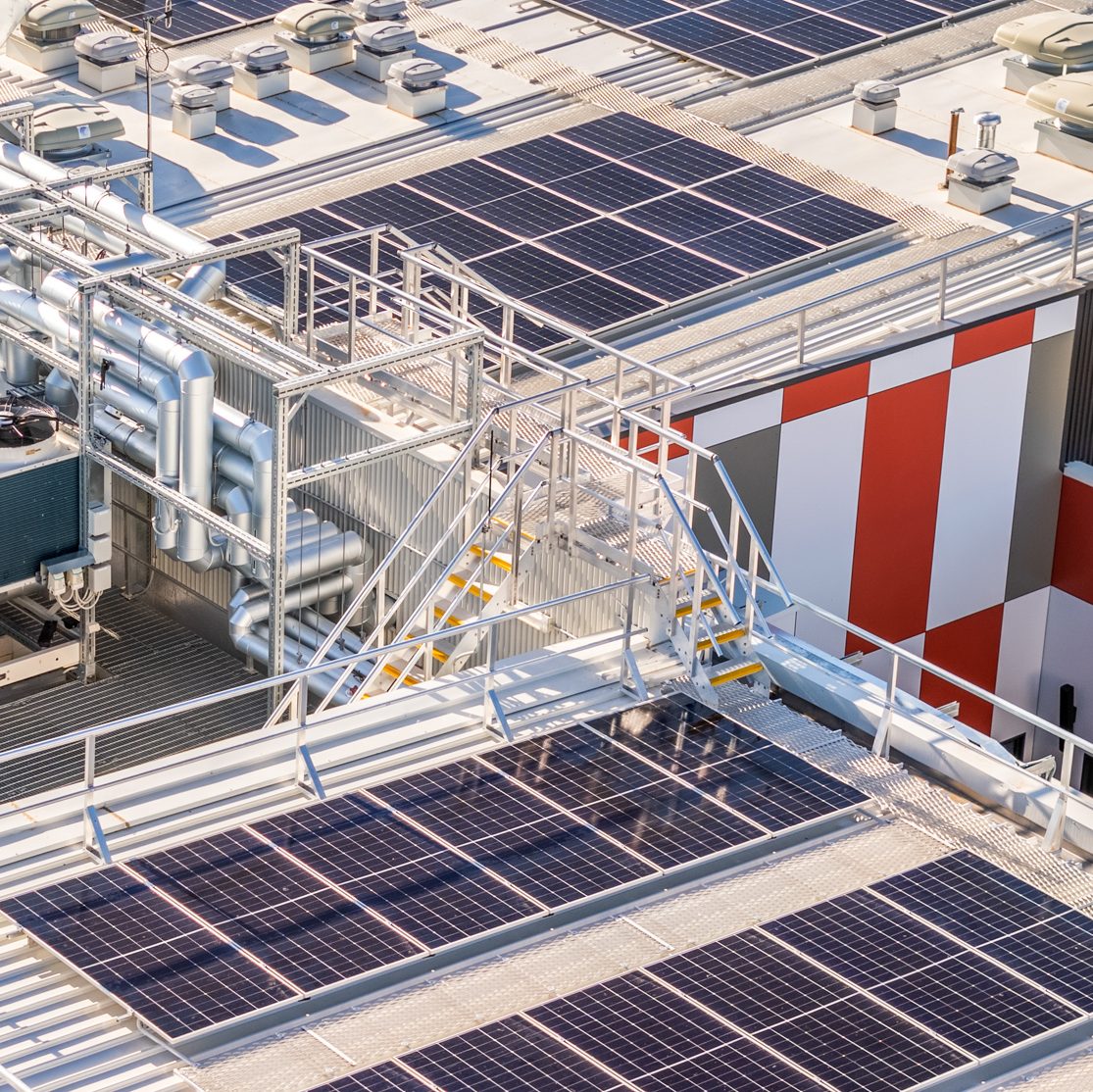
At Maryborough Hospital, we installed guardrails around the solar layout on the highest roof level. Anchor points were also an option, but they require users clip on and off as they move between maintenance areas. Guardrails remove that step, providing consistent protection without user interaction.
Centralise plant layouts to reduce maintenance time
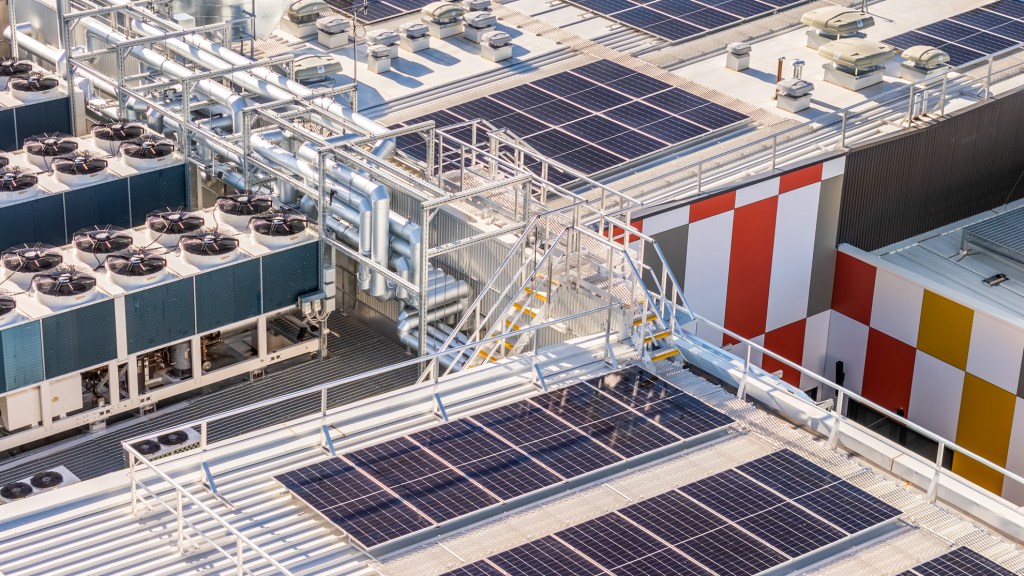
Another practical way to reduce building maintenance costs is to centralise rooftop equipment on one plant platform. When plant is spread across multiple roof areas, maintenance personnel need to move between separate locations to complete inspections, servicing, and repairs. That adds time to every visit and can make access planning more complicated. It can also mean more access systems are needed across the roof, which increases initial costs and adds to long-term upkeep.
A centralised plant platform creates a more organised maintenance area. By bringing key equipment together in one location, routine works can be carried out more efficiently. Providing adequate clearances around plant can improve efficiency further – 600mm is the minimum but 1000mm makes access easier.
Our plant platforms at Morialta Secondary College centralise plant and equipment and reduce travel time across the roof. With plenty of room to move around, maintenance personnel can access equipment more easily and carry out routine servicing more efficiently.

Increase platform longevity through careful material selection
Plant platforms should be designed with long-term maintenance in mind. Material selection can have a major influence on how well the structure performs, and how much upkeep it requires over time.
It’s not uncommon for platforms to require modifications after installation. Rooftop services change over time. Equipment may be upgraded, repositioned, or expanded, and plant platforms often need to be adjusted to suit.
If the plant platform is made from steel, modifications can require touch-ups to protective coatings where the surface has been cut or drilled. This adds another maintenance step, and touch-ups to protective coatings do not offer the same level of protection as factory applied coatings.
Using aluminium can reduce maintenance requirements because it is inherently corrosion resistant. This can simplify future changes and support long-term durability. However, material selection should still account for site conditions, structural requirements, and compatibility with adjacent metals.
Lower window cleaning costs through simplified access
Window cleaning can also be a major source of ongoing cost, particularly where access depends on abseiling equipment or other specialist systems. In the right application, cantilever walkways can provide a more practical (and passive) solution, allowing maintenance personnel to reach window areas without relying on specialist access methods.
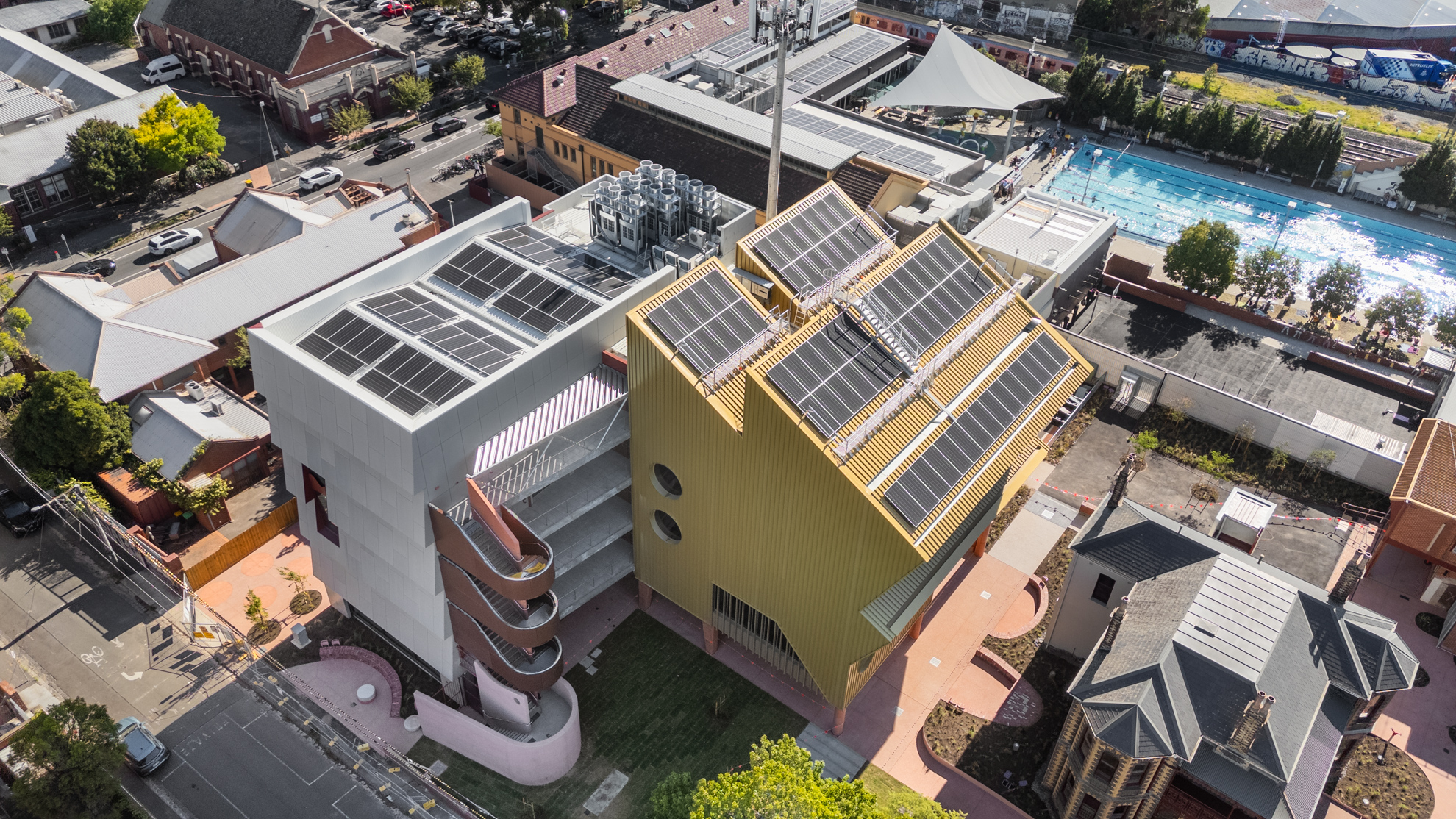
Although there can be architectural concerns around visible safe access infrastructure, these can often be resolved through careful design. Elevated walkways can be positioned behind an architectural veil so they do not interrupt the appearance of the building. Adelaide Aquatic is a strong example of how window cleaning access can be incorporated.


Final thoughts
Building maintenance costs are shaped by more than the building and equipment on site. They are also influenced by how easily that equipment can be accessed and how much upkeep the access structure needs over time.
User-friendly options – like stairs, guardrails and cantilever walkways – can help reduce labour hours by supporting safer and faster movement in high-risk areas. Centralised equipment layouts with generous clearances improve efficiency by reducing travel time between service areas. And non-corrosive material choices such as aluminium reduce long-term maintenance requirements and simplify future modifications.
While often specified to meet compliance requirements, the value of well-designed, high-quality access systems and plant platforms should not be overlooked. When viewed as part of the building’s long-term maintenance strategy, plant platforms and access systems play an important role in reducing ongoing building maintenance costs.
Questions to ask when planning access systems to minimise ongoing costs
To reduce long-term maintenance costs, access systems need to be planned around future maintenance needs.
Questions to ask should include:
- How often will plant equipment need to be serviced?
- Will maintenance personnel need to carry tools or replacement parts?
- Is regular movement between roof levels required?
- Can rooftop equipment be grouped onto a single platform?
- Is the structure exposed to coastal conditions or other corrosive environments?
- Will future plant upgrades or modifications be likely?
- Can façade access be built into the design in a way that also protects the building’s appearance?
When these questions are addressed early, the result is usually a more practical and durable solution.