The Case for Passive Height Safety Solutions
Despite advances in safety regulations, falls from height remain one of the leading causes of workplace fatalities in Australia. According to Safe Work Australia, 24 workers lost their lives due to falls in 2024. This represents 13% of all fatal workplace injuries, highlighting the need for reliable, easy-to-use height safety measures.
Too often, safety is compromised not by a lack of equipment, but by a mindset. A “she’ll be right” attitude still lingers across many workplaces, leading to complacency and underestimating the risks of working at height. Even with the best safety equipment available, if it’s not used—or used incorrectly—lives remain at risk.
How Passive Height Safety Can Help
Unlike active systems that rely on active involvement by the user (think harnesses and fall arrest systems), passive height safety systems are permanently fixed and always working—no user input required. Walkways with guardrails, screens and stairs are a good example of this.
Benefits of passive height safety systems:
- Eliminates user error — As passive systems require no user input, fall risks caused by user-error or inexperience are eliminated.
- Convenient and efficient to use — Allows workers to complete their tasks quickly.
- Boosts worker confidence — Provides a sense of safety and wellbeing for workers.
Examples of Passive Height Safety
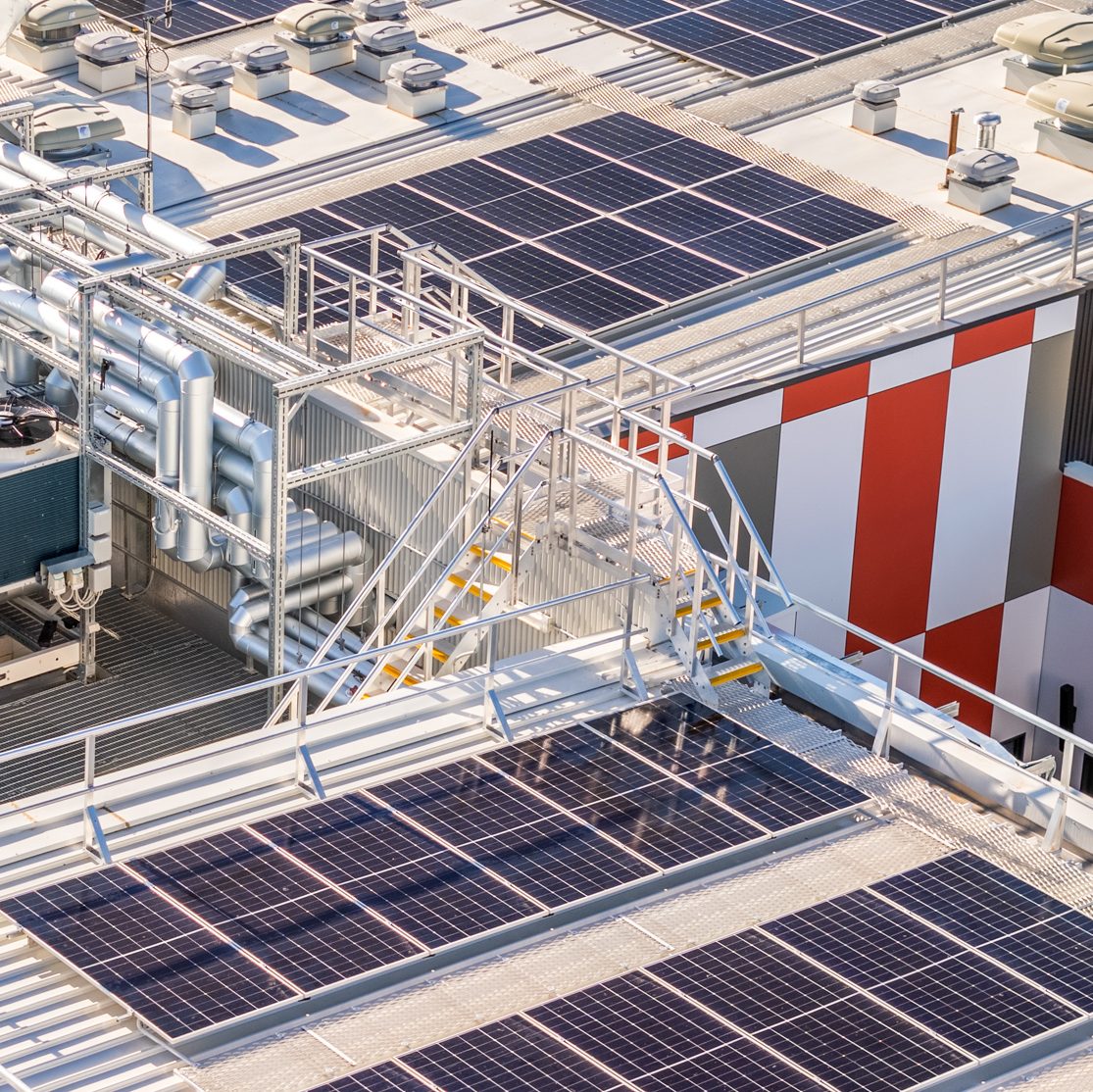
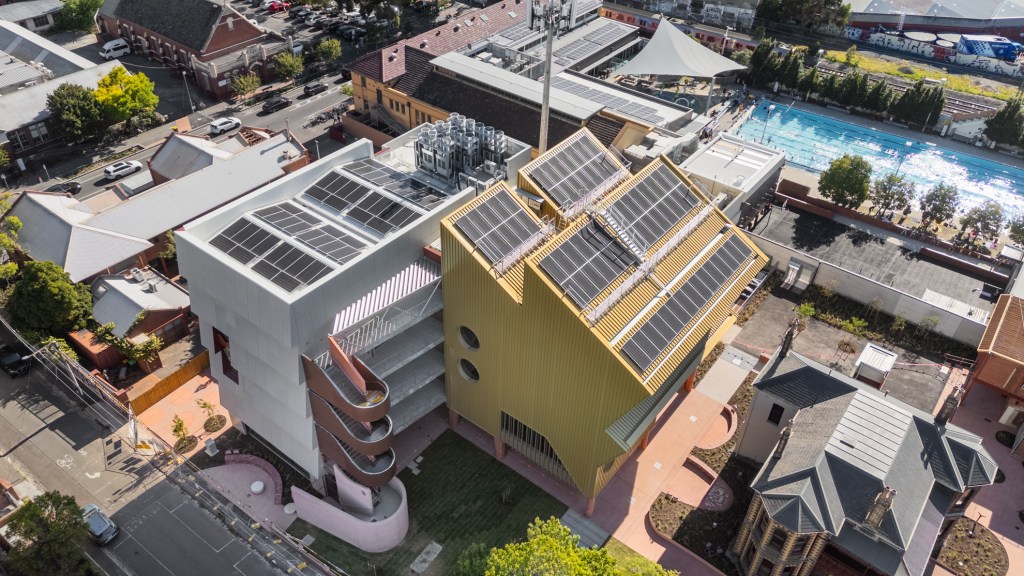
Our height safety system at Balam Balam Place highlights passive height safety at its best. A custom stairway over the steep sawtooth roof—paired with level, guardrail-protected walkways—enables maintenance personnel to perform their duties with the maximum level of safety and convenience.
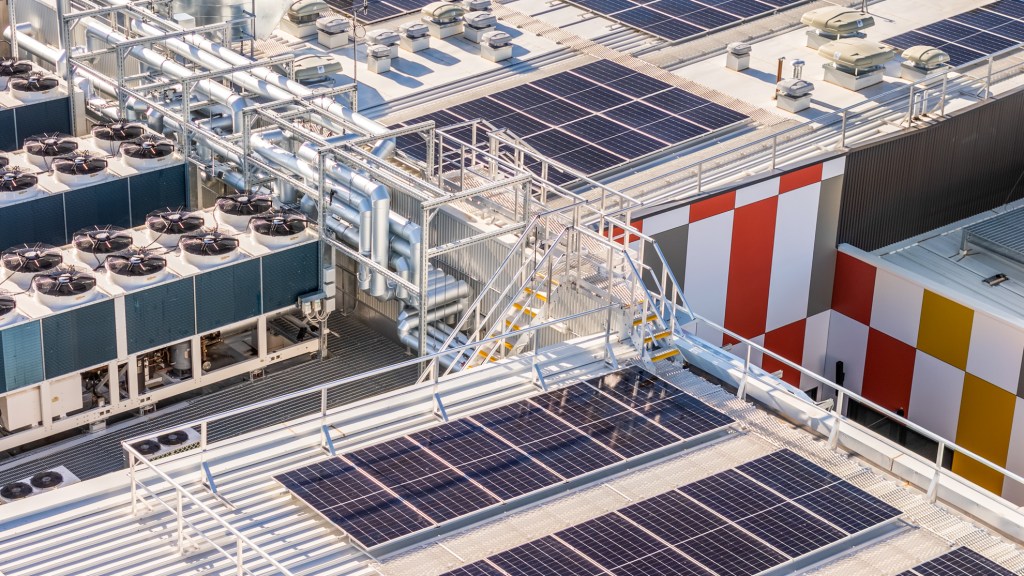
Similarly, at Maryborough Hospital, we installed guardrails around the solar layout on the highest roof level. Anchor points were also an option, but they only work when users clip on every time. Guardrails remove that step. They provide consistent protection, make movement around the roof simpler, and support safer maintenance access with no user interaction required.
Why Building Owners are Embracing Passive Height Safety
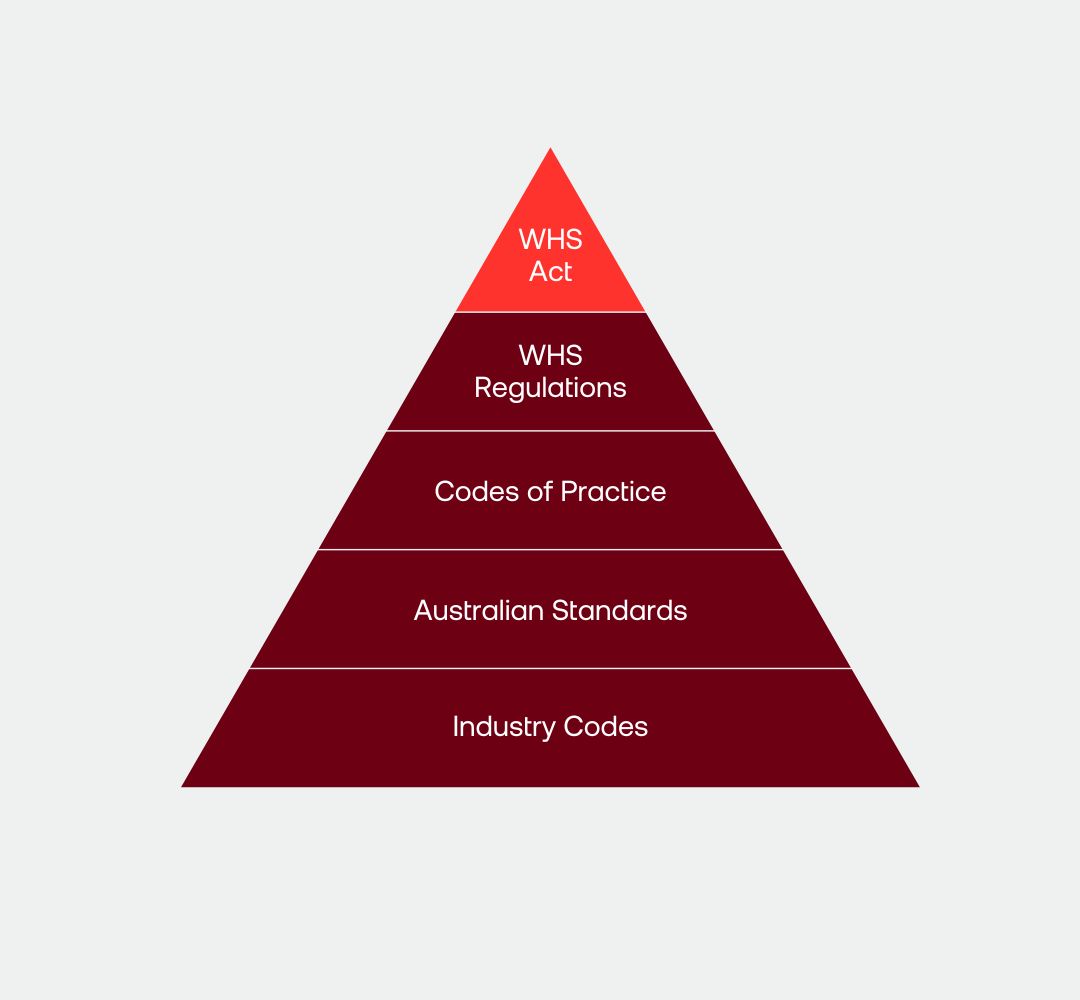
According to Section 19 of the WHS Act as a Building Owner/Manager/PCBU (Person Conducting a Business or Undertaking) it is your responsibility to ensure as ‘reasonably practicable’ the health and safety of any workers—employees and/or subcontractors—carrying out work on your building. This includes anybody working at heights.
With Workplace Manslaughter Laws now in effect across Australia, Building Owners and Managers can face serious penalties—including fines, charges, and imprisonment—if found culpable or negligent following a workplace death. According to the duties and responsibilities in the WHS Act, Building Owners & Managers are legally obligated to provide a safe working environment, assess and control risks, and provide adequate training and supervision for workers. However, no amount of training can fully eliminate risks if safety systems rely heavily on user behaviour.
Passive height safety systems address this gap by removing the reliance on perfect user behaviour. Because these systems are permanently installed and always engaged, they provide continuous protection—reducing the risk of human error or complacency and improving overall safety outcomes.
Final thoughts
Investing in passive height safety is investing in a future where workplace falls are no longer an accepted risk. It’s a practical, proven approach that protects lives by making safety seamless, reliable, and easy.
For help creating a safer environment for people working at heights, contact our team and request a free risk assessment.